Essential Stitching Kit for Beginners: All you need You Require to Begin Your Stitching Journey
A basic sewing kit acts as the base for novices starting on their sewing journey. It encompasses essential tools, from a reliable sewing machine to sharp scissors and measurement tools. Selecting the right fabrics is equally important, as is arranging supplies for productivity. Understanding these components can greatly impact a novice's experience. What particular tools and techniques can improve their skills and creativity? The answer lies in investigating each element of a well-rounded sewing kit.
Deciding on Your First Sewing Machine and Required Tools
When selecting a beginner's sewing machine, novices frequently discover that grasping key functionalities can substantially ease their purchasing decision. Key aspects to take into account include the machine's user-friendliness, stitch options, and overall durability. Beginners gain advantages with machines with intuitive controls and automatic features, such as thread tension adjustment and automatic needle insertion.
A slim design is often ideal for travel-friendly use, while a solid construction secures extended lifespan. Additionally, a variety of stitch patterns facilitates for creative exploration, making the sewing experience more enjoyable.
Understanding the machine's maintenance requirements is also vital, as routine maintenance can prolong its lifespan. Ultimately, selecting the right sewing machine can enhance a beginner's expertise, making the venture into sewing both productive and gratifying. By focusing on these essential characteristics, beginners can positively make informed choices tailored to their particular objectives and pursuits in sewing.
Required Instruments for All Sewing Collections
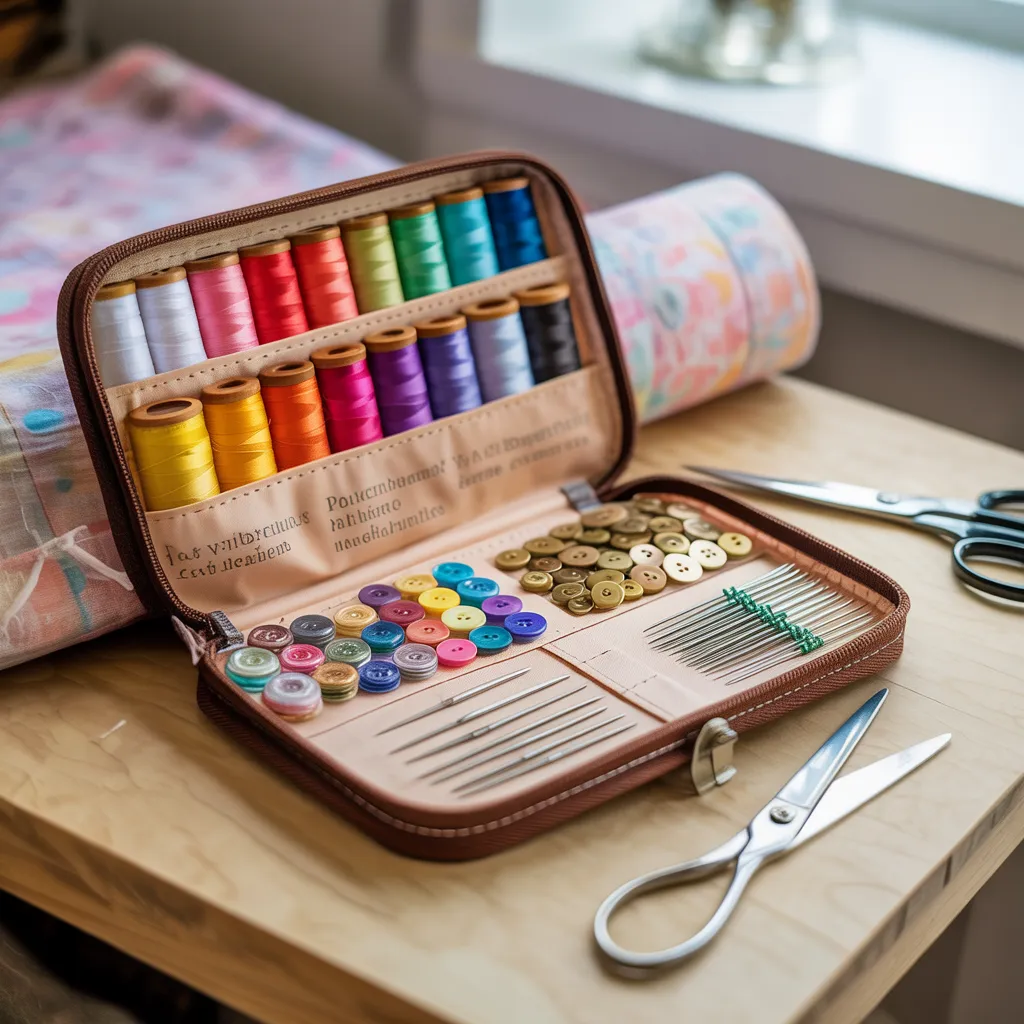
A thoroughly stocked sewing kit is crucial for any novice looking to commence their stitching adventure. Key tools include a pair of keen fabric scissors, which ensure precise cuts, and a rotary cutter for accurate, uniform lines. A pin cushion and pins are vital for fastening fabric pieces together, while a measuring tape helps achieve accurate dimensions. A seam ripper is invaluable for fixing errors, enabling novices to improve with confidence and without anxiety about lasting mistakes.
In addition, a collection of hand-sewing needles and a range of machine needles serve various materials and projects. Colored thread in multiple shades provides versatility for creations. Ultimately, a marking tool, such as tailor's chalk or fabric markers, aids in transferring patterns precisely. These must-have tools create a base that prepares novices to explore their creativity and build confidence in their stitching abilities.
Finest Materials for Beginners
Determining the ideal fabric can substantially enhance a beginner's stitching adventure, as some materials are less difficult to work with than others. Cotton fabric is commonly suggested because of its softness, ventilation, and ease of handling. It is available in various patterns and weights, creating it as versatile for different projects. Another excellent option is flannel, which proves gentle on the skin and excellent for comfortable creations including blankets and pajamas.
For individuals keen to try, knit fabrics furnish stretch and comfort, wonderful for t-shirts and leggings. However, beginners should begin with stable knits, as they are less difficult to sew. Additionally, linen, while quite demanding, can be enriching for its breathability and elegant drape.
In the end, the top fabrics for beginners are options that give a lenient stitching experience, permitting beginner sewers to build belief and abilities without unnecessary frustration.
Required Sewing Tools for New Stitchers
During the journey of needlework, beginners benefit greatly from essential accessories that elevate their experience. Understanding the fundamental tools, paired with the essentials of fabric and thread, constructs a solid foundation for success. Moreover, incorporating valuable stitching aids can expedite assignments and strengthen confidence in their skills.
Essential Instruments Summary
Sewing enthusiasts starting their creative journey need a fully stocked toolkit to guarantee good results. Essential tools include a dependable pair of scissors, which should be well-honed and designated solely for fabric to ensure neat cuts. A seam ripper is essential for correcting mistakes, while pins and a pincushion assist in holding fabric pieces together during assembly. Measuring tools, such as a tape measure and clear ruler, aid in precise cutting and stitching. A good quality sewing machine is fundamental, along with its accompanying accessories like a presser foot and bobbins. Additionally, a fabric marker or chalk helps in marking lines without damaging the material. Together, these tools create a strong foundation for any beginner's sewing endeavors.
Fabric and Thread Essentials
Fabric and thread function as the foundation of any sewing project, making it vital for beginners to comprehend their characteristics and uses. Fabrics come in different kinds, such as cotton, linen, and polyester, each providing unique qualities like breathability, durability, and ease of care. Beginners should choose fabric based on the intended project; lightweight fabrics are perfect for garments, while heavier ones work well for home decor.
Thread, usually made from cotton or polyester, should match the fabric in weight and hue. Comprehending thread varieties, such as all-purpose or specialty threads, is essential for reaching the best performance. By understanding these foundations, beginners can securely choose the right supplies, establishing a robust foundation for their sewing pursuit.
Practical Sewing Notions
A properly assembled sewing kit can enhance the process for those just starting beginning their creative path. Essential notions enhance results and make things simpler. First, a set of sewing scissors is necessary for neat cuts. A measuring tape delivers precise dimensions for your projects. Pins and a pincushion assist in keeping pieces stable, while fabric marking tools allow accurate marking. A seam ripper is crucial for undoing errors, and a needle threader can minimize difficulty when inserting thread. Additionally, an assortment of needles, including universal and ballpoint, work with different materials. Finally, a basic sewing gauge assists with hemline lengths and seam margins, making it necessary for any starter's sewing collection.
Organizing Your Sewing Supplies Effectively
Careful management of sewing supplies is essential for beginners to improve their crafting experience. Leveraging effective storage solutions can ease access to materials, while classifying tools efficiently assures that everything is easy to find. By executing these strategies, novice sewists can create a more rewarding and productive workspace.
Storage Ideas for Inventory
Arranging sewing supplies has the power to convert a cluttered workspace into a hub of creativity and efficiency. Reliable storage solutions are key for beginners aiming to streamline their sewing experience. Clear plastic bins provide visibility and convenient access to fabric, threads, and tools. Drawer organizers support in separating smaller items, such as buttons and needles, keeping them from getting lost. A pegboard serves as a flexible option for hanging tools, enabling quick retrieval and maximizing vertical space. Additionally, using labeled containers can ease locating supplies quickly, reducing frustration. Investing in a dedicated sewing cart can enhance organization, making it easy to transport materials between projects. Ultimately, a well-organized sewing area fosters inspiration and productivity.
Categorize Your Tools in an Streamlined Way
Proper sorting of sewing tools improves both efficiency and user-friendliness for beginners. To enhance their sewing experience, novices can sort tools into clear categories. Essential items like scissors, pins, and measuring tapes should be easily accessible in a specific space. Sewing notions, such as buttons and zippers, can be stored in small containers or divided sections of a larger box. Fabric should be organized by project or category, allowing for quick selection. Additionally, keeping patterns and instructional materials in a different folder helps maintain clarity. By applying these organizational strategies, beginners can minimize frustration and maximize creativity, paving the way for a successful sewing journey. Effective categorization ultimately transforms a cluttered workspace into a practical, inspiring environment.
Looking after for Your Sewing Kit and Tools
Keeping a sewing kit in peak condition requires consistent care. First, tools such as scissors and rotary cutters should be cleaned and sharpened periodically to guarantee precise cutting. Dust and fabric lint can collect, so keeping surfaces clean and tools organized helps maintain efficiency.
Keeping needles in a protective holder stops deterioration and keeps their sharpness. Additionally, it's important to examine thread spools for tangles or breaks, replacing any that are worn.
Fabrics ought to be kept in a cool, dry place to prevent mildew or damage. Frequently reviewing what's in the kit enables identifying any absent items or tools that require replacement.
Lastly, keeping records of the sewing kit's inventory can help monitor usage and confirm that essential tools are always readily available. By committing to these methods, newcomers can enjoy a properly maintained sewing kit that supports their creative journey.
Frequently Requested Questions
Which Thread Should I Pick for My Projects?
Determining the best thread involves weighing fabric type, weight, and intended use. Cotton performs for natural fabrics, while polyester is versatile. Always coordinate thread color closely to fabric for a seamless appearance in projects.
What Method Works Best for Learning Sewing Techniques?
The superior strategy to obtain sewing techniques encompasses uniting hands-on practice with instructional aids. Online tutorials, sewing classes, and books impart structured guidance, while systematic practice elevates skill and creates confidence in executing various techniques.
Is it Possible to Sew Minus a Sewing Machine?
Yes, one can sew without a sewing machine. Manual stitching methods, such as running stitches and backstitches, allow for effective fabrication of garments and projects, making it a viable option for those preferring manual methods.
How Can I Address Ordinary Sewing Machine Troubles?
To correct typical sewing machine problems, one should look for thread jams, confirm correct thread placement, fine-tune tension settings, keep the machine clean, and consult the instruction guide for detailed troubleshooting guidance, guaranteeing optimal performance.
Which entry-level projects should I tackle first?
Starting endeavors should feature basic pieces like pillowcases, tote bags, or basic skirts. These endeavors help build confidence and competencies, permitting new sewers to practice techniques while making functional and enjoyable items.
read this article